Book summary
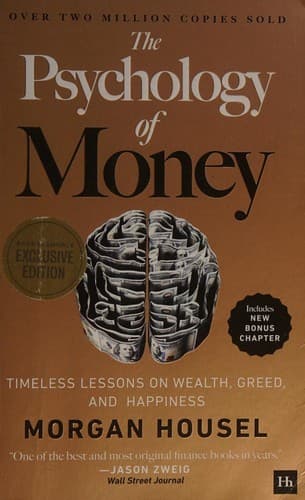
The Psychology of Money
by 33 min read
About this book
When money decisions are made at the dinner table, in a meeting room, or under pressure, the neat rules on paper stop working. The same person can look smart in one market and reckless in another, and the difference is often less about knowledge than about how they handle luck, status, fear, and time. This book asks why the obvious approach to money keeps failing in real life.
What you'll learn
- You’ll spot when luck, risk, or timing is shaping a money outcome, so you stop treating every result as pure skill or failure.
- You’ll separate visible spending from real wealth, so you can judge financial strength by savings and flexibility instead of status signals.
- You’ll build a buffer for error and volatility, so temporary setbacks do not force you into decisions that damage long-term progress.
- You’ll shape a money system you can actually live with, so your rules survive stress instead of collapsing when conditions change.
Themes
- behavior
- uncertainty
- compounding
- wealth
- status